Artificial intelligence · Molecular imaging
AI-guided quantitative PSMA-PET image analysis.
I study how artificial intelligence can support quantitative PSMA-PET imaging for prostate cancer. My work investigates clinically meaningful uptake, volume, and radiomic features, often extracted from AI-guided lesion segmentations, and evaluates how reliably these measurements can be repeated.
Zobaer Islam, PhD · Research InstructorDepartment of Radiology · Division of Nuclear Medicine
University of Texas Southwestern Medical Center
Dallas, TX, USA

From PSMA-PET images to meaningful measurements.
PSMA-PET is changing prostate cancer care, from staging high-risk disease and evaluating recurrence to guiding PSMA-targeted treatment. Quantitative imaging can add measurable information about individual lesions and disease across the whole patient.
I explore how AI-assisted lesion segmentation can support the extraction of uptake, volume, and radiomic features. For these measurements to be useful, we need to understand both their clinical relevance and their reliability across repeat scans.
Do imaging features reflect disease or help predict meaningful outcomes?
Can real changes be distinguished from measurement variability?
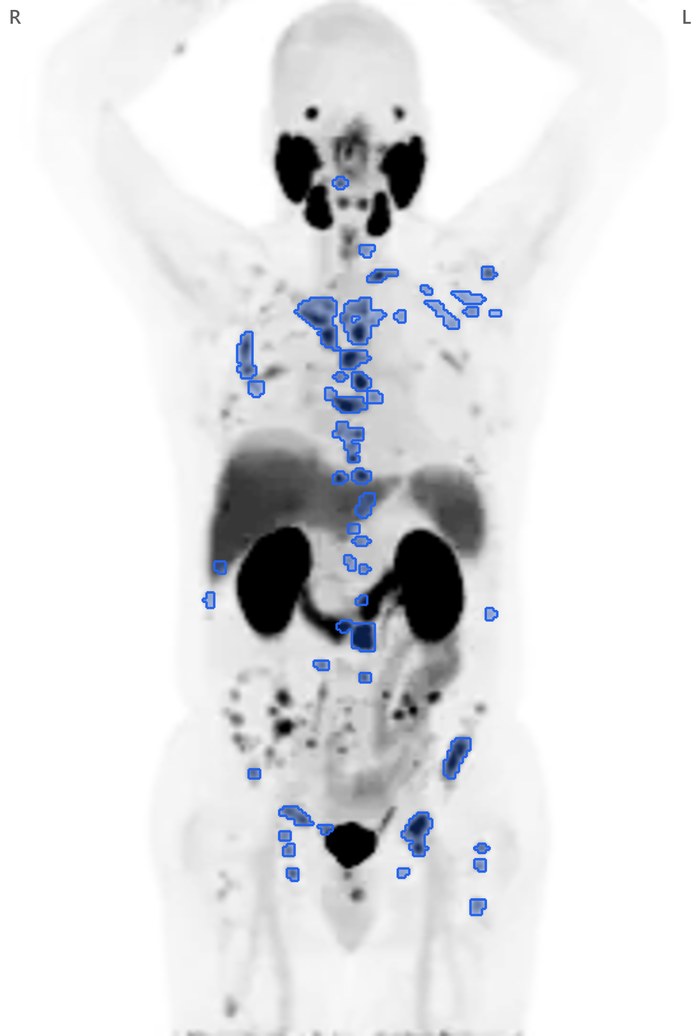
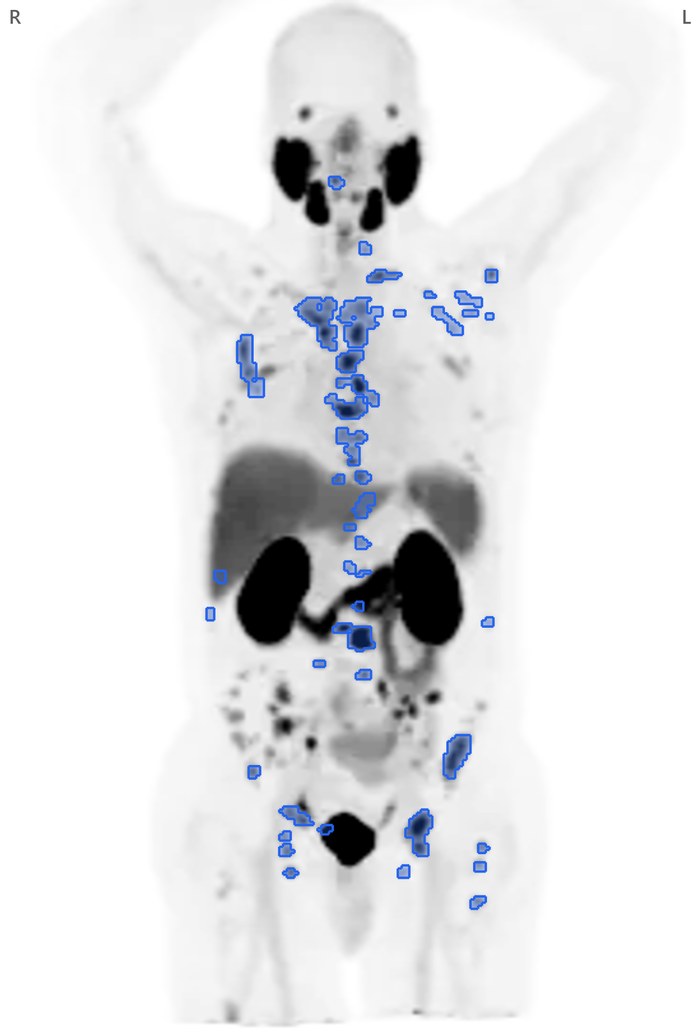
- 01AcquirePSMA-PET images
- 02DelineateLesions, with AI assistance
- 03ExtractQuantitative features
- 04AnalyzeClinical value and repeatability
Recent Publications
- 2026
Test–Retest Repeatability of Peripheral Ganglion Uptake on ¹⁸F-DCFPyL PET/CT: Implications for Interpreting Benign Uptake on PSMA PET
Physiologic uptake · Quantitative PSMA-PET
- 2026
- 2026
Toward a structured imaging reporting system for kidney masses: The molecular imaging perspective on KI-RADS
Molecular imaging · Kidney cancer
Academic updates
All updates- Presented PSMA-PET radiomic feature repeatability research at the World Molecular Imaging Congress in Salt Lake City.
- Published a molecular imaging perspective on KI-RADS in Molecular Imaging and Biology.
- Published research on the test–retest repeatability of AI-guided PSMA-PET lesion measurements in Tomography.
- Published a review on target-driven, AI-enabled cancer therapy in Diagnostic and Interventional Imaging.